Drain Cleaning
Drain cleaning across Connecticut for slow sinks, clogged toilets, basement floor drains and main sewer lines, with camera proof and an upfront quote.
Drain Cleaning details

A clogged toilet that will not clear with a plunger needs the right tool. We snake the toilet, clear the line behind it and check for a main line problem, with an upfront quote first.
Quick answer: Use a flange plunger, which has an extra rubber sleeve that seals in the toilet drain. Push down slowly, then plunge firmly a dozen times while keeping the seal. If the water starts to drain, flush once to check. If the bowl is close to overflowing, shut off the valve behind the toilet first. If plunging fails, the clog needs a closet auger or a professional.
A clogged toilet usually comes down to too much paper, something that should not have been flushed, or a line that is already partly blocked. Most people can clear a simple clog with a good flange plunger. When the bowl keeps filling, the water barely moves or the toilet clogs every few days, the clog is deeper than a plunger can reach. That is when snaking a toilet with a closet auger, a tool made to pass through the trap without scratching the porcelain, is the right next step.
A clogged commode is not always the toilet's fault. Wipes, paper towels, cotton swabs, feminine products and kids' toys can lodge in the toilet's built in trap. But if the toilet gurgles when the sink drains, or water rises in the tub when you flush, the clog is further down in the branch or main line. In older Connecticut homes with cast iron stacks and clay laterals, a slow toilet is often the first sign of roots or scale in the main. We check for that before treating it as a toilet problem.
We start with a closet auger through the bowl, which clears most toilet clogs. If the object is stuck in the trap, we may pull the toilet, remove it from the bottom and reset it on a new wax ring. If the line beyond the toilet is blocked, we run a larger machine from a cleanout. Then we test with several flushes. If your toilet is overflowing, turn off the valve behind it and call (518) 776-7838. We are open 24/7 across Connecticut.
A big wad of toilet paper is the most common clog, especially with thick paper or low flow toilets. It usually sits in the toilet trap and clears with a plunger or closet auger. If it happens often, the toilet may not have enough flush power or the line may already be narrow.
Wipes, even those sold as flushable, do not break down like toilet paper. They tangle in the trap and the line and catch everything after them. Paper towels, cotton swabs, floss and feminine products do the same. These clogs often need an auger and sometimes a main line cleaning.
Toys, toothbrushes, phones and bottle caps get wedged in the curved trap inside the toilet. A plunger can push them further in. A closet auger can sometimes hook them, but often the toilet has to come up so we can remove the object from the bottom and reset it.
When toilets clog alongside tubs and floor drains, or several toilets slow down at once, the blockage is in the main line. In Connecticut that often means roots in a clay lateral or buildup in old cast iron. We clear it from a cleanout and recommend a camera check.
If the bowl is close to overflowing, we shut off the supply valve and lower the water level. Then we check the other fixtures nearby. A toilet that gurgles with the sink or pushes water into the tub tells us the clog is in the line, not just the toilet.
We tell you what we think is blocking the toilet and how we plan to clear it, whether that is a closet auger, pulling the toilet or running the main line. You get an upfront quote before any work starts, and we explain what happens if we find something deeper.
A closet auger feeds through the toilet trap with a protective sleeve so it does not scratch the bowl. It breaks up or hooks most clogs. If a solid object is stuck, we pull the toilet, remove the object from below and reset it on a fresh wax ring so it seals.
We flush the toilet several times and run the sink and tub to confirm the whole bathroom drains. If the toilet keeps clogging, we recommend a main line cleaning or camera inspection to find the cause. We clean the floor and the area around the toilet before we leave.
Toilets in Connecticut homes often drain into some of the oldest pipe in the house. A colonial in Fairfield County or a Victorian in Norwich may have a cast iron closet bend and stack that have narrowed with decades of scale, leaving less room for paper to pass. In three family houses in cities like Bridgeport, Hartford and New Haven, toilets on each floor drain into a shared stack, and a clog in that stack can show up in the lowest unit first. Many postwar capes and ranches have long, flat runs from the bathroom to the main, which give paper a place to settle.
Outside the toilet, the lateral to the street or septic tank matters. Clay pipe with root filled joints and sagging Orangeburg pipe in some 1950s and 1960s homes can slow every flush. Septic homes in rural towns can see slow toilets when the line to the tank is blocked. If your toilet clogs often, we look at the whole path, not just the bowl.
The cost to fix a clogged toilet depends on what is causing the clog and where it sits. A paper clog cleared with a closet auger is a quick job. An object stuck in the trap may mean pulling and resetting the toilet with a new wax ring. If the clog is in the branch or main line, a larger machine, a camera inspection or after hours timing can change the work involved. You get an upfront quote before any work starts.
Call (518) 776-7838 for an upfront quote. We answer 24/7 and explain the price before any work starts.
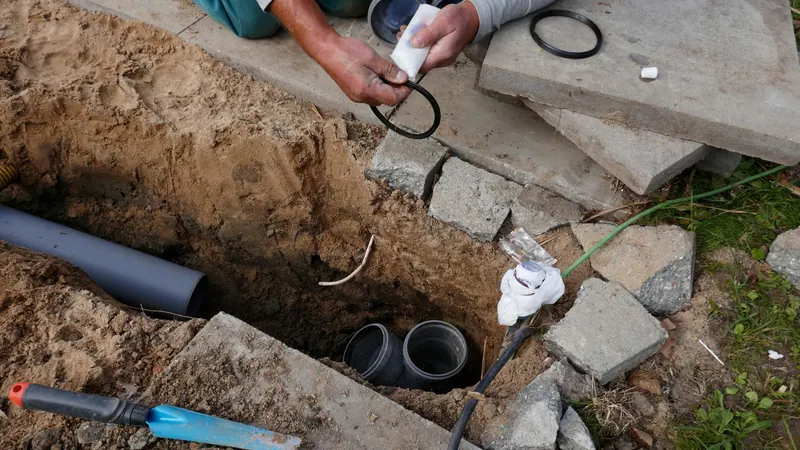
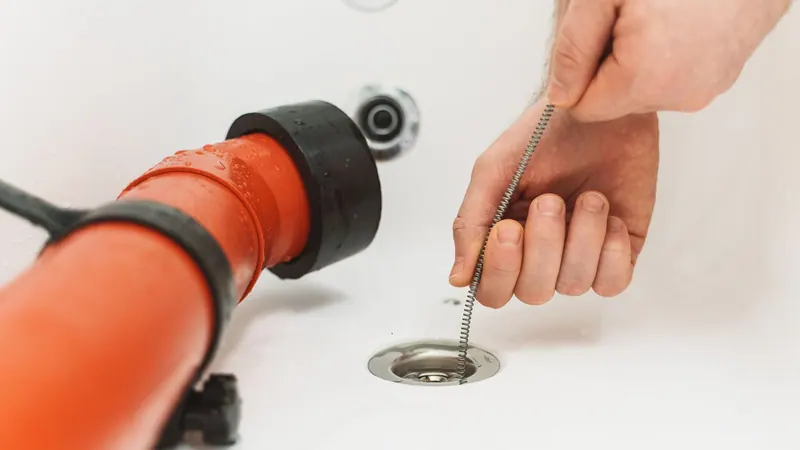
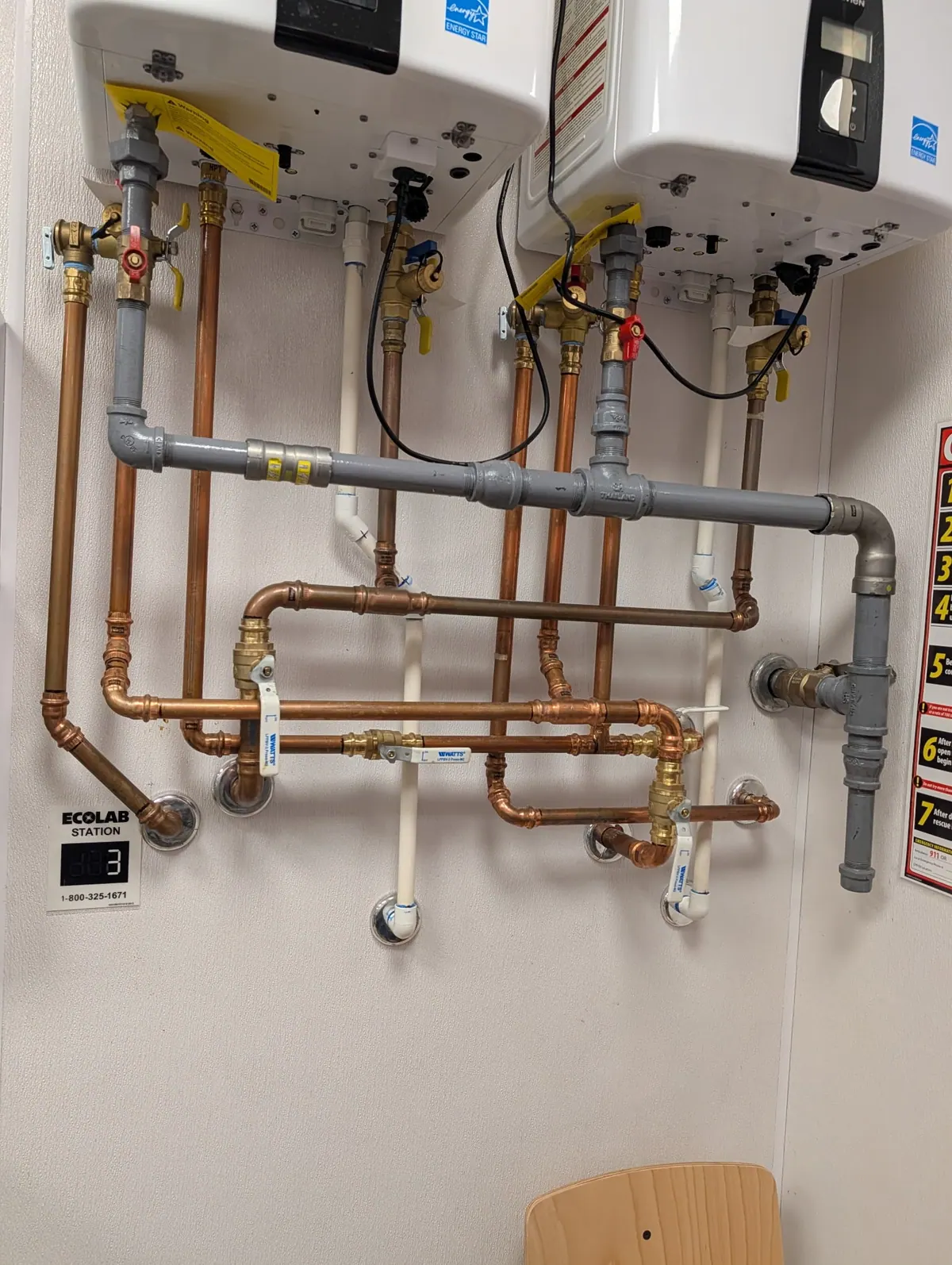
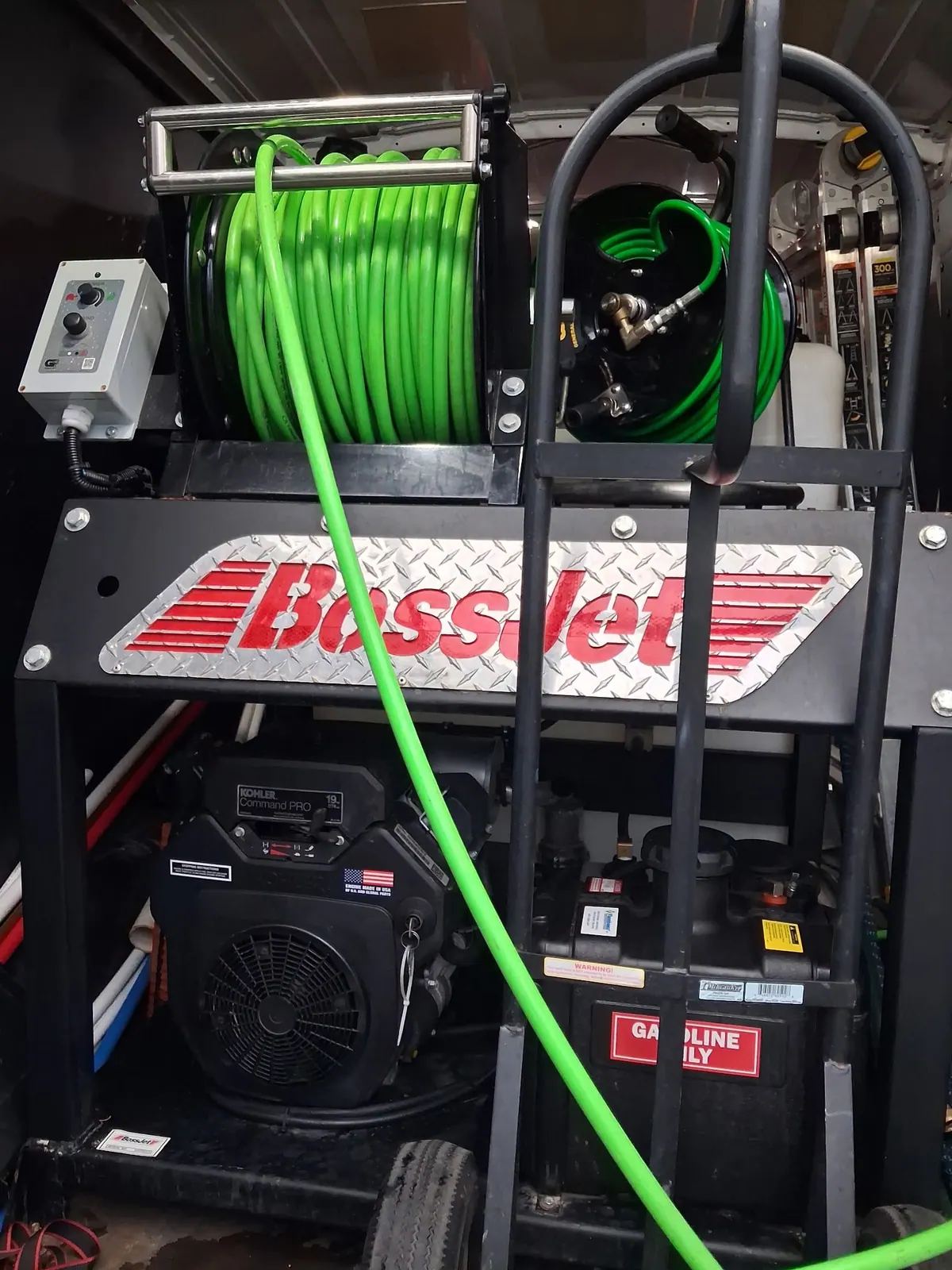
No stock photos here. These are our own technicians, our own equipment and real repairs.


We provide clogged toilet across all eight Connecticut counties.
Use a flange plunger, which has an extra rubber sleeve that seals in the toilet drain. Push down slowly, then plunge firmly a dozen times while keeping the seal. If the water starts to drain, flush once to check. If the bowl is close to overflowing, shut off the valve behind the toilet first. If plunging fails, the clog needs a closet auger or a professional.
Yes, when it is done with a closet auger. A closet auger has a protective rubber sleeve and a short cable designed to pass through the toilet's curved trap without scratching the bowl. A regular drain snake or a coat hanger can scratch the porcelain and leave permanent marks. We use closet augers sized for toilets and protect the bowl as we work.
Frequent toilet clogs often come from too much paper for an older or low flow toilet, wipes being flushed, or a partial clog further down the line. In older Connecticut homes, scale in cast iron or roots in the lateral can slow every flush. If clogs keep coming back, a main line cleaning or camera inspection is the best way to find out why.
Turn the shutoff valve behind the toilet clockwise to stop the water. If the valve is stuck, lift the tank lid and raise the float to stop the fill. Do not keep flushing. Soak up the water to protect the floor and ceiling below. Then plunge, or call (518) 776-7838 for 24/7 help if the toilet will not clear or other drains are backing up.
Yes. If more than one toilet is slow, or if flushing makes water rise in the tub, shower or basement floor drain, the clog is likely in the main line. That needs a drain machine run from a cleanout, not just a toilet auger. We test the other fixtures first so we clear the right section and do not just treat the symptom.
If a toy, phone or other solid object is wedged in the toilet trap and the auger cannot hook it, we pull the toilet, remove the object from below and reset the toilet on a new wax ring. We check the flange and bolts while the toilet is up. Then we test with several flushes and check the base for leaks.
No. Wipes labeled flushable do not break apart the way toilet paper does. They clump in the toilet trap, catch on rough spots in older cast iron and tangle in roots in clay laterals. They also cause problems in septic systems and town sewer pumps. Throw wipes in the trash, and flush only toilet paper and human waste.
Drain cleaning across Connecticut for slow sinks, clogged toilets, basement floor drains and main sewer lines, with camera proof and an upfront quote.
Drain Cleaning detailsToilet repair for running, leaking, rocking and weak flushing toilets in Connecticut homes and businesses, including fill valves, flappers and wax rings.
Toilet Repair detailsSewer line cleaning that clears the main drain from your basement cleanout to the town sewer or septic tank, with camera proof.
Main Sewer Line Cleaning detailsWe answer 24 hours a day, 7 days a week. Call and talk to a real person, or request service online and we will call you back.
Tell us what is happening. Our team usually calls back within two hours. Emergency? Call now, we answer 24/7.
Or call (518) 776-7838, 24 hours a day