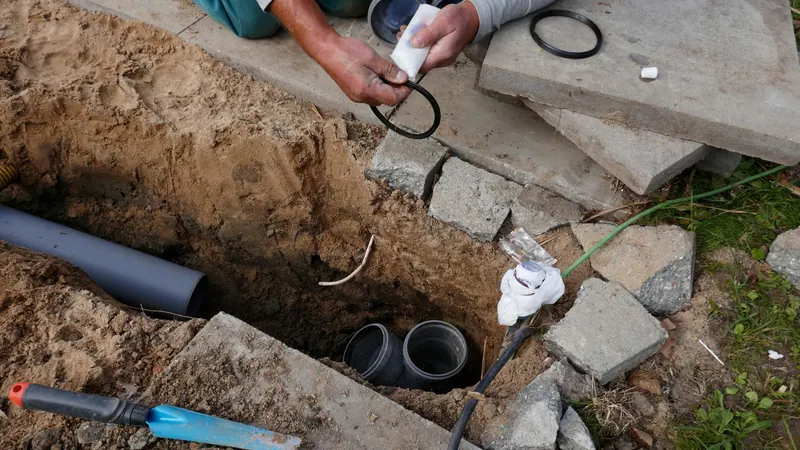
Main Sewer Line Cleaning
Sewer line cleaning that clears the main drain from your basement cleanout to the town sewer or septic tank, with camera proof.
Main Sewer Line Cleaning details

Roots from maples, oaks and street trees grow into old clay sewer joints and choke the line. We cut them out, flush the pipe and show you the result on camera.
Quick answer: Tree roots are removed from a sewer line by cutting them with a cable machine fitted with a root saw blade, then flushing the line with a hydro jetter and a root cutting nozzle. A camera inspection afterward confirms the pipe is clear and shows where roots are entering. In Connecticut this is common in older clay laterals near mature trees.
Tree roots in a sewer line are one of the most common causes of main line clogs in Connecticut. Roots grow toward moisture and nutrients, and a sewer lateral is full of both. Even a hairline gap at a pipe joint lets warm, damp air escape into the soil, and fine root hairs follow it inside. Once in, they spread into a dense mat that catches paper and grease. Over a few seasons that mat can fill most of the pipe and, in time, the roots thicken enough to crack or shift the pipe itself.
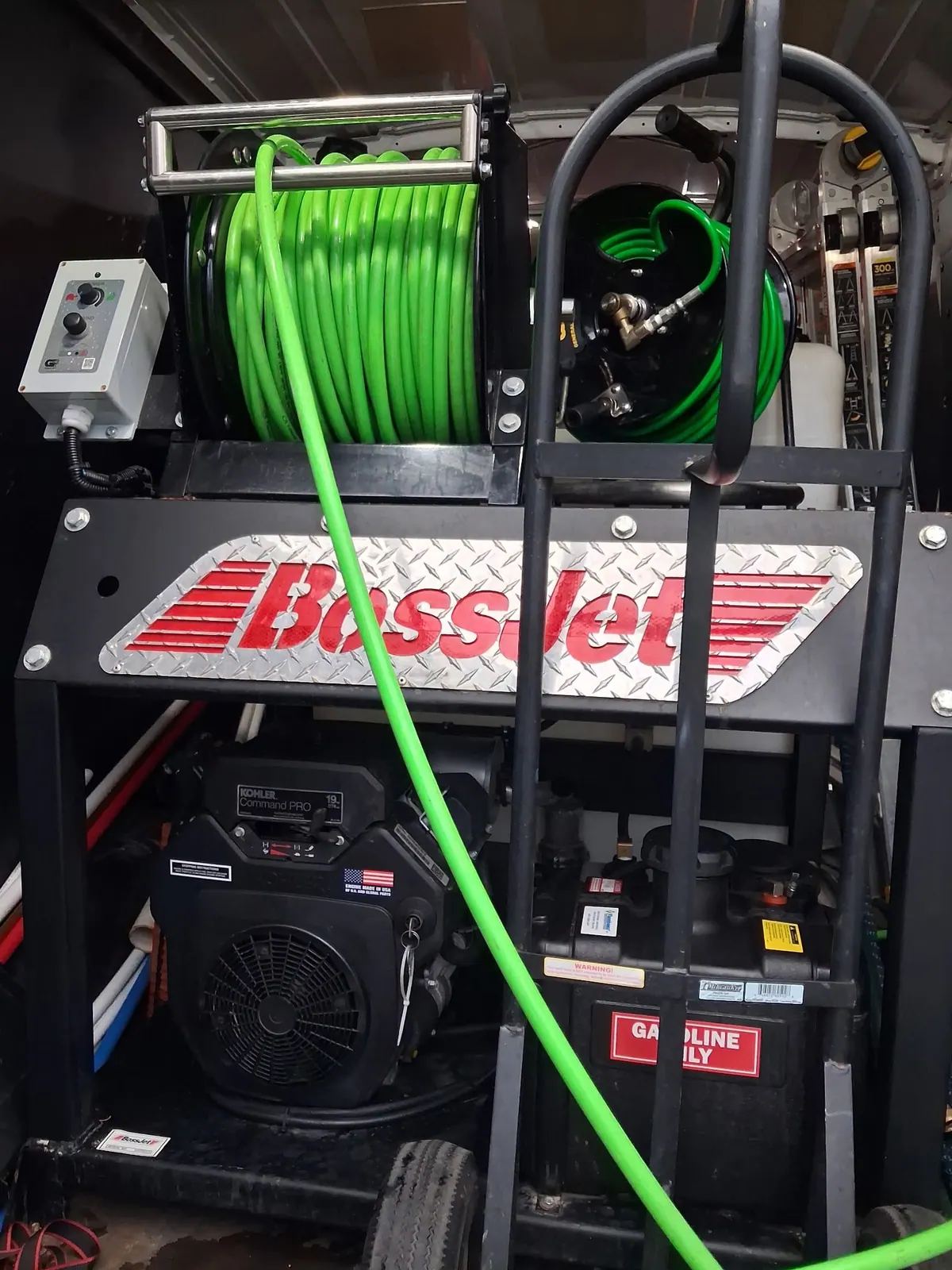
Fullerton Plumbing and Drain Cleaning removes roots with sectional cable machines fitted with root saw blades sized for your pipe, and with hydro jetters using root cutting nozzles. The cable cuts heavy, woody roots. The jetter shears the fine roots left at the joints and flushes the pieces down to the sewer. We follow with a sewer camera inspection so you can see the cleared pipe on a live view and know how many joints are letting roots in. That tells you whether regular maintenance is enough or the pipe needs repair.
We remove tree roots from sewer lines for homes, multi family buildings and businesses across Connecticut, from older city neighborhoods to tree lined suburbs and rural septic properties. Fullerton is open 24 hours a day, 7 days a week, because root clogs often show up as a sudden backup. We dispatch the nearest available technician and give you an upfront quote before any work starts. Fullerton is fully insured, has 7 years in business, and cleans up the work area before leaving.
Early root intrusion looks like a thin curtain of hair at a pipe joint. It slows drains and catches paper. A jetter with a root cutting nozzle clears it cleanly and is a good choice for maintenance on lines that are known to take in roots.
After a few years, roots can grow into a thick, woody mass that fills most of the pipe. We cut these with a cable machine and a root saw blade sized to the pipe, then jet out the remaining debris so the line flows at full size.
Roots exploit any opening, and they widen it as they grow. When the camera shows roots coming through cracked clay, a shifted joint or a broken section, cleaning restores flow, but the pipe will keep letting roots in until it is repaired.
On septic properties, roots can invade the line between the house and the tank. We clear and camera that line. We do not pump septic tanks, but clearing the house line helps you understand whether the trouble is the pipe or the system beyond it.
If the line is backed up, we first open it from the sewer cleanout with a cable machine so the house can drain. Getting water moving out of the basement and fixtures comes before anything else.
We run a root saw blade sized to the pipe diameter through the line, making several passes at each root zone. For heavy masses we step up the blade size gradually to cut the roots back to the pipe wall without damaging the pipe.
When conditions allow, we follow with hydro jetting using a root cutting nozzle. The jet trims fine roots left at the joints and flushes all cut pieces to the main or tank so they do not snag the next flush.
We camera the full line while you watch the live view, count the root entry points and check for cracks or offsets. Then we explain whether maintenance cleaning will keep the line open or whether a repair is the better long term fix.
Connecticut is one of the most heavily wooded states in the Northeast, and many of its older neighborhoods are lined with mature maples, oaks and other street trees planted decades ago. Underneath those trees run sewer laterals made of vitrified clay or cast iron. Clay pipe is laid in short sections, with a joint every few feet, and the old mortar or packing at those joints breaks down with age, frost and settling. That gives roots a way in. In West Hartford, Hamden, New Haven, Fairfield, Glastonbury and many other towns with old shade trees, root clogs are a routine cause of main line backups. Ledge and shallow bedrock in parts of the state can also keep laterals shallow, close to the busiest root zone.
Roots grow fastest in the warm months, so many Connecticut homeowners first notice trouble in late summer and fall, or after a dry spell when trees go looking for water. Cutting roots restores flow, but it does not seal the joints, so roots usually return. Many homes stay on a regular cleaning schedule. When the camera shows cracked, offset or collapsing pipe, a sewer line repair stops the cycle for good.
The cost of tree root removal depends on how far the roots have grown, how many joints are affected, and how long the line is. A light root curtain clears faster than a woody mass that fills the pipe. Access through a basement cleanout is quicker than working through a toilet or vent. Adding hydro jetting and a camera inspection, the pipe material, and whether the work happens at night, on a weekend or on a holiday all play a part. You always get an upfront quote before any work starts.
Call (518) 776-7838 for an upfront quote. We answer 24/7 and explain the price before any work starts.
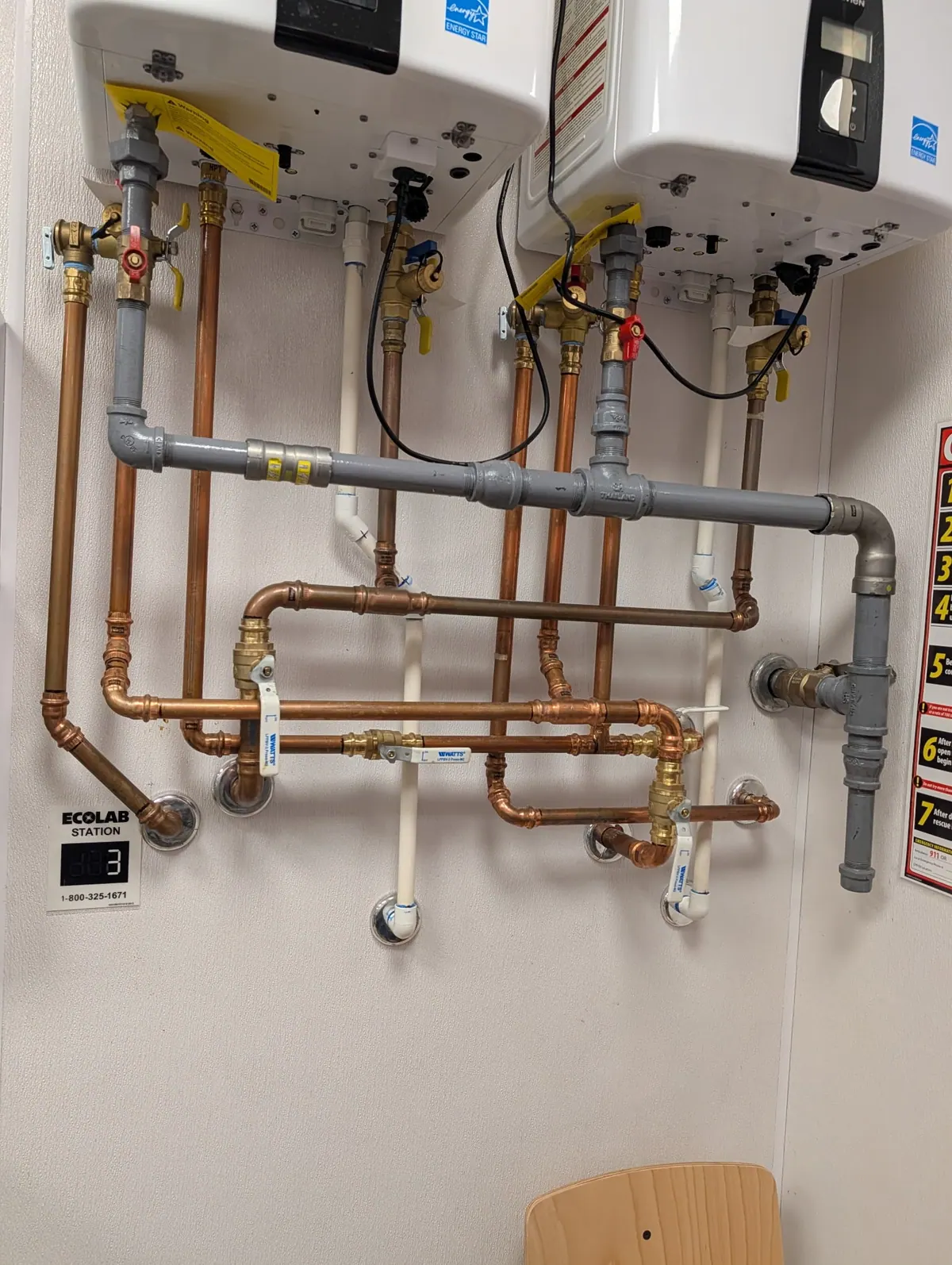
No stock photos here. These are our own technicians, our own equipment and real repairs.


We provide tree root removal across all eight Connecticut counties.
Tree roots are removed from a sewer line by cutting them with a cable machine fitted with a root saw blade, then flushing the line with a hydro jetter and a root cutting nozzle. A camera inspection afterward confirms the pipe is clear and shows where roots are entering. In Connecticut this is common in older clay laterals near mature trees.
Usually, yes. Cutting removes the roots inside the pipe, but the joint or crack they came through is still open, so new roots follow the moisture back in. Many Connecticut homeowners schedule cleaning every one to two years to stay ahead of regrowth. Repairing or lining the damaged sections is the way to stop roots permanently.
Fast growing trees with aggressive, water seeking roots cause the most trouble, and in Connecticut that often means maples, willows, poplars and large oaks. Any mature tree near a clay or cast iron lateral can send roots into a weak joint, though. The pipe's condition matters more than the species, which is why a camera inspection is so useful.
Root treatment products can slow regrowth, but they do not remove a root mass that is already blocking a pipe. If your line is clogged, the roots need to be cut out mechanically first. We recommend asking us before pouring any chemical product into an old line, and always following the label if you do use one after cleaning.
They can. Roots enter through small openings at joints and cracks, and as they grow thicker they widen those gaps, shift pipe sections out of line, and can break clay pipe. Over time a minor root problem can turn into a collapsed section. Camera inspections help you catch that progression early, while cleaning still works.
In most Connecticut towns the homeowner is responsible for the sewer lateral from the house to the main, even when roots come from a street tree. Rules can vary by town, so check with your local public works department or water pollution control authority if you believe town property is involved. We can provide camera footage showing where roots enter.
The best time is before the line backs up. Roots grow most in the warm months, so many Connecticut homeowners schedule cleaning in spring, ahead of the summer growth season. If your line has a history of root clogs, sticking to a regular interval keeps the roots small and the cleaning quicker.
Sewer line cleaning that clears the main drain from your basement cleanout to the town sewer or septic tank, with camera proof.
Main Sewer Line Cleaning detailsHigh pressure water jetting that scours grease, sludge, scale and roots from sewer and drain lines across Connecticut.
Hydro Jetting detailsSewer line repair for cracked, root damaged, sagging and collapsed laterals in Connecticut, confirmed on camera before we recommend any fix.
Sewer Line Repair detailsWe answer 24 hours a day, 7 days a week. Call and talk to a real person, or request service online and we will call you back.
Tell us what is happening. Our team usually calls back within two hours. Emergency? Call now, we answer 24/7.
Or call (518) 776-7838, 24 hours a day